The Ultimate Trench Warfare Strategies Quiz
bobbyknuckles
Created 6/26/2024
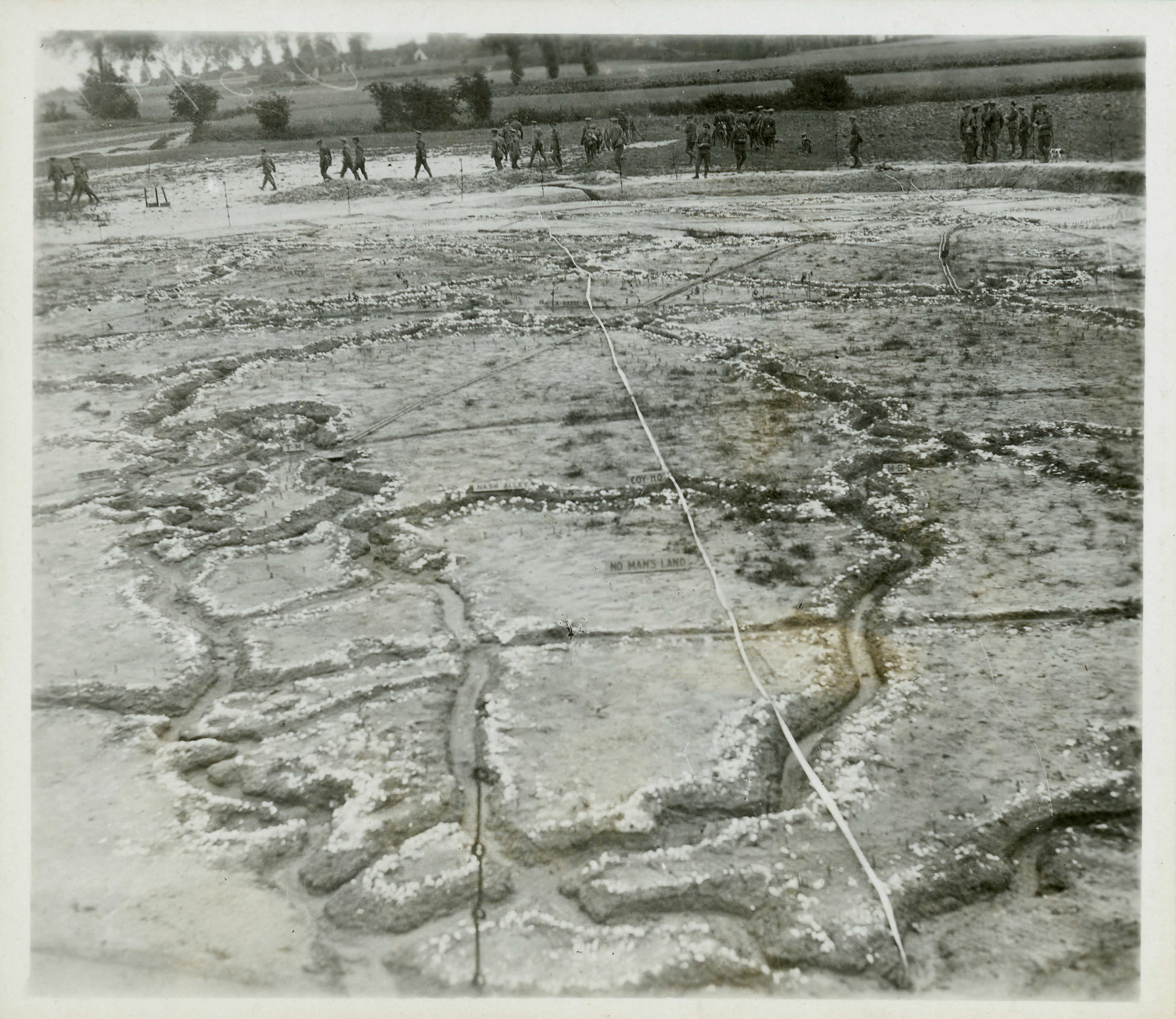
Test your knowledge of trench warfare strategies in this ultimate quiz. Can you outsmart the enemy and conquer the trenches? Find out now!
1. What was a common condition that affected soldiers in the trenches due to constant dampness?
Trenchfoot
Asthma
Pneumonia
Heatstroke
2. What weapon did Germany first use in 1915 at the Second Battle of Ypres?
Mustard Gas
Chlorine Gas
Phosgene Gas
Hours after initial artillery
3. What name was given to the area between opposing trenches often filled with barbed wire and craters?
Battlefield
Buffer Zone
Dead Man's Land
No-Man's Land
4. What defensive structure was used to protect machine-gun emplacements in the trenches?
Bunkers
Pillboxes
Watchtowers
Trench Mortars
5. Which weapon was primarily used for silent trench raids?
Sniper Rifle
Hand Grenades
Trench Clubs
Bayonets
6. How did soldiers usually mitigate the effects of poison gas attacks?
Retreat to dugouts
Use gas masks
Cover their mouths with cloth
Hold their breath
7. What pivotal new technology was introduced near the end of the WW1 to help break the stalemate in the trenches?
Submarines
Aircraft Carriers
Tanks
Radar
8. What was the primary purpose of 'duckboards' in the trenches?
Protection from shrapnel
Preventing trench collapses
Keeping soldiers’ feet dry
Providing cover during enemy fire
9. Which force greatly improved their military training by learning from the Battle of the Somme?
German Army
British Army
Italian Army
Russian Army
10. What was 'Hill 60' notable for during WW1?
A significant naval base
A strategic hill fought over in Ypres
An artillery testing ground
A location for peace negotiations
11. What was a common material used to construct the walls of trenches?
Steel sheets
Concrete blocks
Woven sticks
Sandbags
12. What key strategy did junior officers assume responsibility for during trench warfare?
Artillery coordination
Aerial reconnaissance
Battlefield independence and flexibility
Cryptography
13. Which type of terrain often characterized no-man's land at the beginning of the war?
Heavily forested
Urban ruins
Flat farmland
Mountainous regions
14. What was the impact of increased artillery and machine guns on the nature of early WW1 warfare?
Increased mobility
Stalemate leading to trench warfare
Rapid American victories
Quick German defeat
15. How long was the trench system on the Western Front?
Around 100 miles
Around 300 miles
Around 475 miles
Around 600 miles
16. What were 'Mills bombs' used for in trench raids?
Digging trenches
Creating diversions
Close combat
Explosives or grenades
17. What was a primary reason for both sides digging trenches in September 1914?
To prepare for winter
To avoid massacre from new weaponry
To launch counter-offensives
To store supplies
18. How did the trenches evolve over the course of the war?
Simpler
Deeper and better fortified
Shallower
Unstructured
19. What led to the final breaching of German trenches by the Allies in 1918?
Increased artillery only
New tactics and technology like tanks
Complete air superiority
Severe winter
20. What was often visible from inside a trench?
Farmlands
Mountains
Lead sky and trench walls
Arms factories